

On 27 November 2025, the cities of Messina, Italy, and Zhengzhou, China, took part in an exchange organised within the framework of the EU-funded International Urban and Regional Cooperation (IURC) programme. Moderated by Qian Wang from IURC Asia & Australasia, the session explored potential collaboration in sustainable tourism, cultural heritage preservation, and public event management, with a particular focus on joint initiatives that build on both cities’ strengths in digital tourism and cultural innovation.
Messina’s Tourism Challenges and Digital Innovations
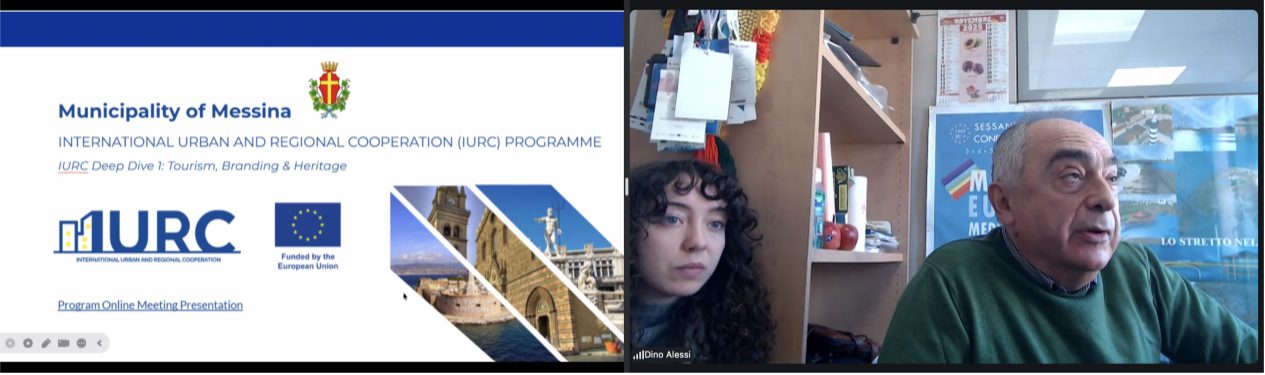
Messina was represented by Dino Alessia, who outlined the key challenges facing the city’s tourism sector, including fragmented branding and limited international visibility. While visitor numbers are increasing, the city has not yet fully realised its tourism potential. Mr. Alessia presented ongoing efforts to better promote Messina’s cultural heritage and to encourage year-round tourism. These include flagship initiatives such as the Festival of Maritime Districts, which aims to highlight the city’s strong maritime identity and cultural assets.
The discussion also addressed Messina’s growing role as a cruise port and the opportunities this presents for attracting and engaging visitors. Digital tools are playing an increasingly important role in this strategy. Virtual tours, augmented reality applications, and other digital innovations were highlighted as effective ways to enrich the visitor experience, particularly for cruise passengers with limited time ashore.
Cultural and Economic Insights from Zhengzhou
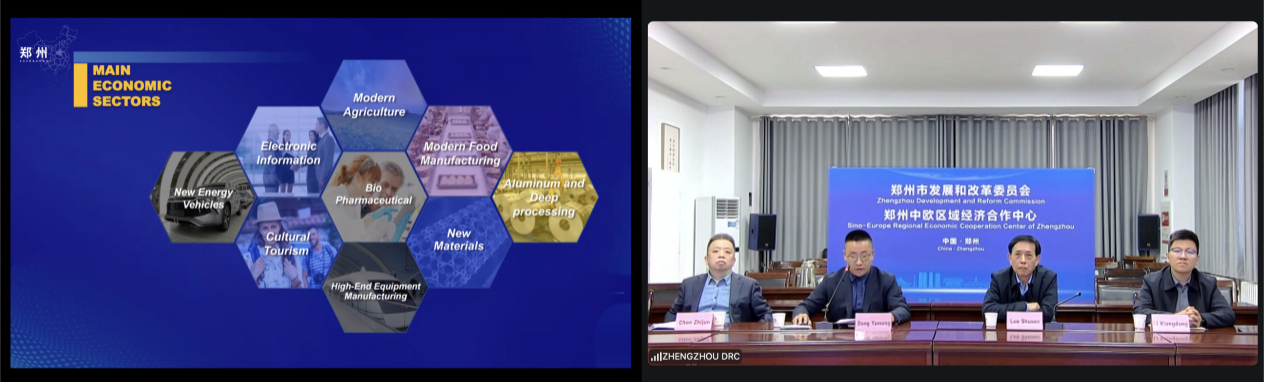
Zhengzhou, a major city in central China with a population of more than 30 million, was represented by Deputy Director Luo Shusen and Yameng Dong. They presented Zhengzhou’s cultural and economic development, emphasising the city’s role as a strategic bridge between China and Europe. The delegation highlighted Zhengzhou’s experience in international economic cooperation and cultural exchange with European partners.
Zhengzhou also shared examples of how digital technologies are being used to support cultural heritage conservation and promotion. Yameng Dong presented virtual exhibitions and large-scale cultural productions, including digital elements of the Shaolin Music Grand Ceremony and other iconic events, demonstrating how technology can enhance global access to cultural heritage.
Proposals for Collaborative Events
Both cities expressed strong interest in developing cross-cultural exchanges through public events. Messina’s annual food festivals, including the Street Food Festival and the Seafood Festival, were identified as potential platforms for collaboration. Mr. Alessia suggested that Zhengzhou could introduce traditional Chinese cuisine, such as regional noodle dishes, as part of these events. In return, Zhengzhou expressed interest in participating in Messina’s festivals and proposed integrating a martial arts component, building on its experience with events linked to the upcoming Shaolin Kung Fu Festival.
Future Cooperation in Heritage and Digitalisation
Cultural heritage preservation and digitalisation were identified as key areas for future cooperation. Messina proposed joint initiatives in digital heritage, including virtual museum tours and digital storytelling approaches. Zhengzhou shared its experience in applying advanced technologies to the preservation and presentation of cultural relics, offering potential synergies with Messina’s digital tourism projects.
The meeting concluded with an agreement to develop a shared list of priority interests and subtopics for potential pilot actions, with a view to implementation in 2026. This initial exchange established a solid foundation for a growing partnership between Messina and Zhengzhou, with both sides expressing strong interest in deepening cooperation in sustainable tourism, cultural heritage, and digital innovation in the years ahead.