 English (UK)
  Español
  Português
  中文
中文  日本語
日本語 
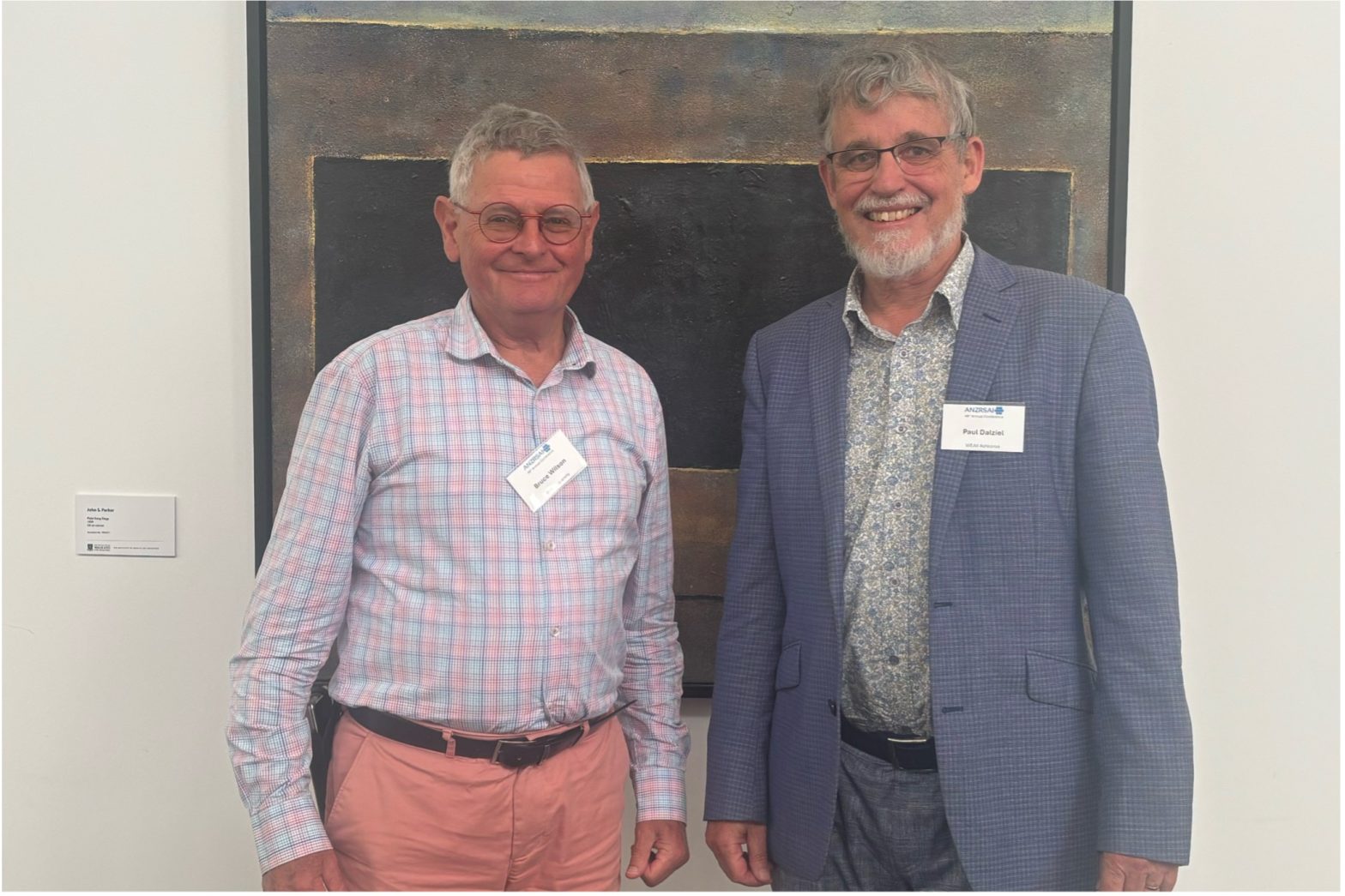
Professor Bruce Wilson and Dr Paul Dalziel, IURC Country Leads for Australia and New Zealand, spoke in early December at the 48th Annual Conference of the Australia and New Zealand Regional Science Association International, organised in collaboration with the Regional Studies Association. The two-day conference took place at the University of Waikato in Hamilton, New Zealand.
Regional Resilience and Smart Specialisation
A major theme of the conference was regional resilience. Professor Wilson and Dr Dalziel delivered presentations on IURC that explained that Phase II of the programme has seen regions from Australia and New Zealand enter the programme for the first time. Australia has three participating regions and New Zealand has two.
Professor Wilson emphasized that while past IURC programmes included Australian and New Zealand cities, Phase II marks the first time these countries are participating with regions. He noted that regions bring distinctive momentum to IURC, often involving multiple local authorities whose collaborations generate diverse perspectives and creative place-based solutions. Australian regions are therefore finding they have a lot to contribute to the programme.
Dr Dalziel observed that the IURC thematic clusters for regions had been chosen to align with the European Union’s smart specialisation platforms: agrifood, energy, industrial modernisation, and sustainable blue economy. New Zealand’s IURC regions have interests across the first three of these platforms, which they are now exploring with EU partners.
Building Communities of Practice
As IURC advances into this next stage of its programme, Australia and New Zealand are collaborating to help cities and regions form communities of practice within the thematic clusters. These groups are identifying co-design opportunities for pilot projects, with final concepts expected by February 2026.
Both leaders report strong enthusiasm among all IURC partners. “Leadership at city and regional levels is essential for addressing twenty-first-century global challenges,” they concluded. “IURC provides vital support by fostering collaboration and knowledge sharing among subnational pioneers.”