

The IURC China team’s study visit to the Alentejo region of Portugal provided a comprehensive understanding of the region’s potential as an emerging hub for innovation and sustainable development. The visit showcased various projects, initiatives, and potential cooperation with Chinese cities in the areas of
- Vocational Education and Training
- Renewable Energy
- Green Port and Logistics:
 The Alentejo 2030 Digital Agenda, presented during the visit to the CCDR (Regional Coordination and Development Commission of Alentejo), highlights the region’s commitment to bridging the digital divide and creating a more inclusive and connected society. The agenda focuses on investments in broadband infrastructure, support for digital literacy programs, and the development of smart city initiatives to improve the quality of life for Alentejo’s residents. The agenda is based on the European Union’s digital decade strategy and tailored to the characteristics, needs, and priorities of the Alentejo region. The Digital Agenda of Alentejo aims to promote innovation, value the interior territories, attract foreign investment, digitize the economy, modernize business processes of public administration and enterprises, and implement rationalized infrastructures to increase regional resilience and competitiveness.
 In Évora, the IURC team visited ÉvoraTech, a technology-based business incubator in Évora, which represents the region´s efforts to foster a vibrant startup ecosystem. ÉvoraTech provides resources, mentorship, and a creative environment to support the growth of technology-driven businesses. The team also visited the ÉvoraTech Fablab, a digital fabrication laboratory that offers access to tools for prototyping and making. The Fablab provides support to entrepreneurs and students through operational, educational, technical, financial, and logistical assistance.
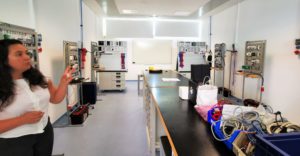 During their visit to the IEFP – Employment and Vocational Training Center of Évora, the IURC team learned about the center’s strategies for addressing the region’s workforce development needs. The center offers various training programs, workshops, and career guidance services to ensure the local workforce remains competitive and skilled in a fast-paced, innovation-driven economy. The center engages with local businesses and industries to identify workforce needs and tailor their training programs accordingly.
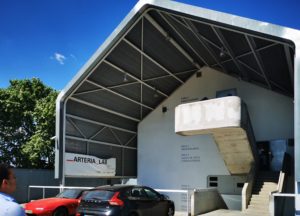 The visit to the University of Évora highlighted the importance of academic and industry partnerships in advancing research, innovation, and entrepreneurship. Arteria Lab, located at the university, is a laboratory dedicated to experimentation, prototyping, and transdisciplinary research at the intersection of art, design, technology, and heritage. Arteria Lab provides a maker space with machines for rapid prototyping, such as a 3D printer and a laser cutter, as well as mentoring and incubation services for creative entrepreneurs in the urban cultural and creative field.
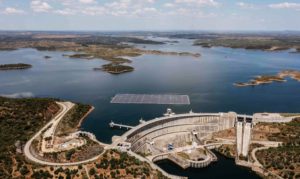 During their visit to Beja, the IURC team observed the important role played the Alqueva Multipurpose Project. The region’s commitment to preserving natural resources while fostering economic growth is demonstrated by the sustainable use of water resources and promotion of agricultural and agro-industrial development. The Alqueva Multipurpose Project aims to create a new land of water and sun in the Alentejo region through a system of 69 dams and reservoirs, centered on the Alqueva Dam, which is the largest artificial lake in Western Europe. The project provides a guaranteed water supply for agricultural land, generates clean energy, ensures water supply for public and industrial activities, and promotes tourism by creating a unique landscape and environment for various activities while preserving the region’s cultural heritage.
The visit to Sines highlighted the region’s potential as a strategic location for international businesses and the benefits of public-private partnerships in driving economic growth and innovation. The collaboration between aicep Global Parques, Sines Port Authority, and the private sector has resulted in the creation of Sines Port, Logistics and Industrial Complex.
 The Sines Port, which handles more than 45 million tons of cargo and about 1.7 million TEU per year, is a significant player in Portugal’s economy. With advanced foreland connectivity links to the world’s main markets and hinterland connectivity links to foreign markets for production and consumption, the port is in the top 100 worldwide for container terminals and in the top 15 in the European Union. The port is also committed to pursuing sustainable practices and technologies to minimize its environmental impact and support the local community.
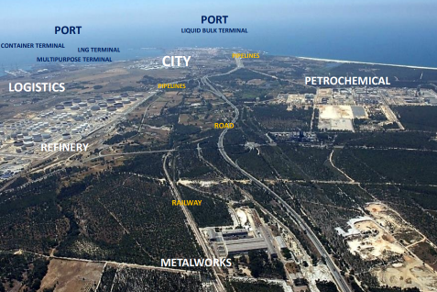
Near the Port of Sines, ZILS is the largest industrial and logistics zone in the Iberian Peninsula. It offers a strategic location for various industrial sectors, such as energy, petrochemicals, agro-food, logistics, and information technology. ZILS hosts several major industrial plants, including the largest refinery in Portugal and the Sines Petrochemical Complex. It also houses the Sines Tech Hub, a project creating a European Atlantic hub for secure connectivity of IT projects and data centers.
Portugal has a strategy to become a leading green hydrogen producer and exporter in Europe, and ZILS has been selected as a hub for green hydrogen projects. H2Sines, where renewable energy from solar and wind farms is used to produce green hydrogen. The project is expected to create thousands of jobs and contribute to Portugal’s decarbonization goals.
The IURC team’s study visit to the Alentejo region demonstrates the potential for cross-sector cooperation and knowledge exchange to drive innovation, sustainable development, and global competitiveness. As the team shared the learnings and suggested cooperation areas, this exchange of ideas will lead to new partnerships and collaborative projects potentially with IURC-China pilot cities of Hangzhou and Dalian, reinforcing the importance of international cooperation in addressing global challenges for innovative, sustainable & carbon Neutral ecosystems.